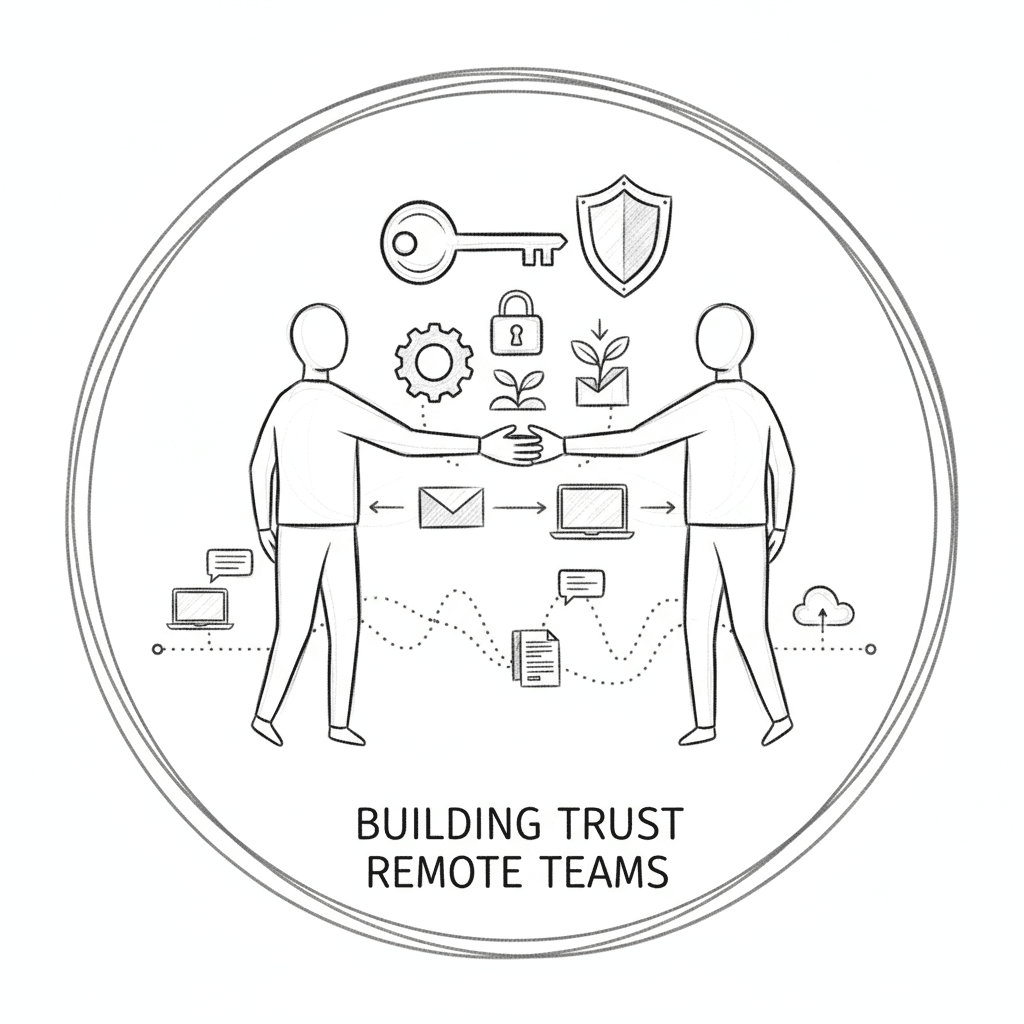
Building Trust in Remote Teams: Strategies for Success
Published: October 25, 2023 · 8 min read
Introduction
In a world where remote work is becoming the new norm, trust remains the cornerstone of successful team dynamics. Yet, building trust amongst remote teams can be challenging. Team leads, HR managers, and remote workers often grapple with how to replicate the organic trust-building processes that naturally occur in physical office spaces. This blog offers insights and practical strategies to foster trust in your remote teams, destined to ensure productivity, engagement, and cohesion.
Understanding Trust in Remote Teams
What is Trust?
Trust is the reliance on the integrity, strength, and ability of a person or process. In a team setting, it manifests as the confidence team members have in one another to deliver results, communicate transparently, and support the collective goal.
Why is Trust Important?
Trust drives collaboration and open communication, essential ingredients for innovation and problem-solving. For remote teams, it bridges the geographical and social gaps, creating a seamless workflow that accommodates flexibility and independence.
Practical Strategies for Building Trust
1. Cultivate Open Communication
Encourage transparency and regular updates among team members through tools like Slack or Microsoft Teams. Set the tone by example; be approachable and open about challenges and successes. This fosters a trusting environment where team members feel safe to express their thoughts and opinions.
2. Regular Virtual Team Building Activities
Organize virtual team-building activities such as online games, virtual coffee breaks, or workshops. These activities simulate the water-cooler interactions of a physical workspace, helping team members bond beyond work-related topics.
3. Set Clear Expectations
Clearly outlined roles, responsibilities, and deadlines mitigate misunderstandings and set an objective basis for evaluating contributions. This clarity allows team members to trust in the remote working process and each other's contributions.
4. Foster an Inclusive Culture
Celebrate diversity and ensure all voices are heard. An inclusive culture helps each team member feel valued and respected, crucial for building trust across various cultures and borders.
Common Pitfalls to Avoid
1. Micromanagement
Trust is eroded when team members feel their every move is being monitored. Instead of micromanaging, focus on outcomes and support autonomy. Empower your team to take ownership of their work.
2. Ignoring Time Zone Differences
Remote teams often span multiple time zones. Overlooking these differences when scheduling meetings or setting deadlines can foster resentment and reduce trust. Be mindful and considerate of varying schedules.
3. Overloading Communication Channels
While communication is vital, overloading channels with unnecessary or repetitive information can lead to frustration. Maintain a balance by keeping communications clear, concise, and relevant.
Conclusion
Building trust in remote teams is a deliberate and ongoing process. By cultivating open communication, setting clear expectations, and embracing inclusivity, team leads and HR managers can create a resilient and trustworthy virtual workspace. Avoiding common pitfalls like micromanagement and respecting diverse time zones further strengthens this trust. Ultimately, when a team trusts one another, they become more cohesive, innovative, and successful in achieving their goals.
Ready to Break the Ice?
Take your team meetings to the next level with our premium Icebreaker Bingo Kit. Generate unlimited, custom-branded bingo cards in seconds.
Instant access • No subscription required