How to Give Helpful Feedback: A Guide for Team Leads and HR Managers
October 29, 2023 · 10 min read
Introduction
In today's dynamic workplace, particularly in remote settings, effective feedback is integral to ensuring team cohesion and productivity. Yet, many team leaders struggle with delivering feedback that drives improvement without causing defensiveness. Striking the balance between constructive criticism and encouragement is an art. Today, we'll explore how team leads, HR managers, and remote workers can master this skill.
What is Helpful Feedback and Why is it Important?
Helpful feedback is a strategic communication tool aimed at fostering talent and strengthening team culture. It is characterized by its constructiveness, specificity, and reliance on objective data. When executed effectively, feedback can improve individual performance, enhance team morale, and drive greater organizational success. For remote teams, where face-to-face interactions are limited, feedback becomes even more crucial.
Practical Strategies for Delivering Feedback
1. Be Specific and Objective
Rather than vague comments like "good job," specify what exactly was done well. Example: "Your analysis on the marketing project was thorough and helped clarify our next steps."
2. Use the "SBI" Model: Situation-Behavior-Impact
Frame your feedback by outlining the situation, describing the observed behavior, and explaining its impact. This model helps keep feedback structured and clear.
3. Balance Praise with Constructive Criticism
Incorporate positive feedback to create a balanced conversation. This ensures team members feel appreciated and are more receptive to areas for improvement.
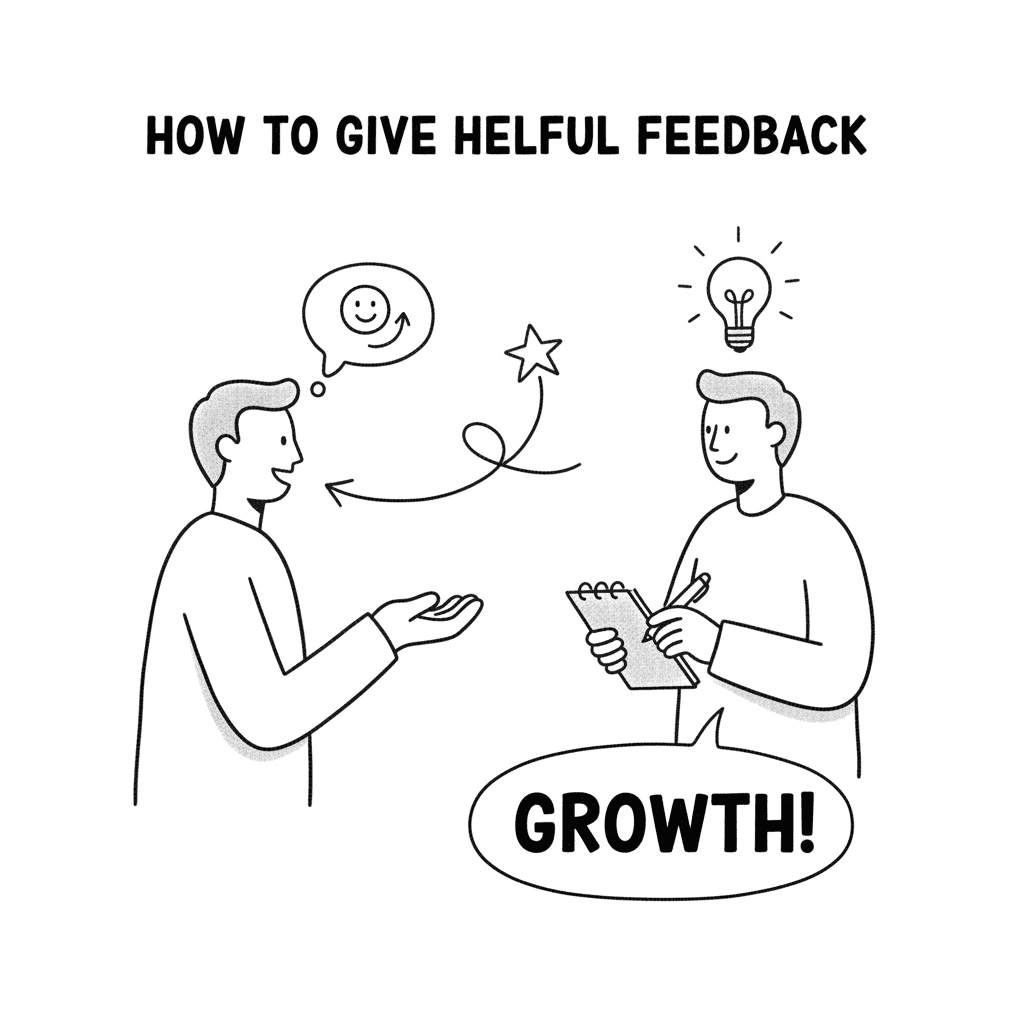
4. Encourage a Two-Way Dialogue
Feedback should be a conversation, not a monologue. Encourage team members to share their perspectives and respond openly to feedback given to them.
5. Make it Timely and Regular
Do not wait for performance reviews to provide feedback. Timely feedback helps rectify issues as they arise and promotes continuous improvement.
Common Pitfalls to Avoid
1. Avoid Over-Generality
Generic feedback can leave employees confused and unsure about how to apply it. Always aim for clarity and precision in your feedback.
2. Not Preparing Enough
Unprepared feedback can come across as thoughtless, which can demoralize your team. Take time to think about what you want to say and how you will say it.
3. Emotional Responses
Ensure that your feedback is based on observed behaviors rather than emotions. This helps maintain professionalism and avoids unnecessary conflicts.
Conclusion
Mastering the art of giving helpful feedback is essential for any team leader, HR manager, or remote worker striving to build a cohesive and effective team. By being specific, balancing praise with criticism, and fostering open communication, you can transform feedback into a powerful tool for growth and collaboration. Implement these strategies today to see a noticeable improvement in your team's performance and morale.
Ready to Break the Ice?
Take your team meetings to the next level with our premium Icebreaker Bingo Kit. Generate unlimited, custom-branded bingo cards in seconds.
Instant access • No subscription required