The Science of Habit Formation: Building Effective Teams
Published on October 20, 2023 | 10 min read
Introduction
Have you ever wondered why some teams consistently outperform others? The key often lies in their habits—the routines and behaviors that become second nature through repetition and reinforcement. As team leads, HR managers, or remote workers, understanding and fostering the science of habit formation can drive team cohesion and performance.
What and Why of Habit Formation
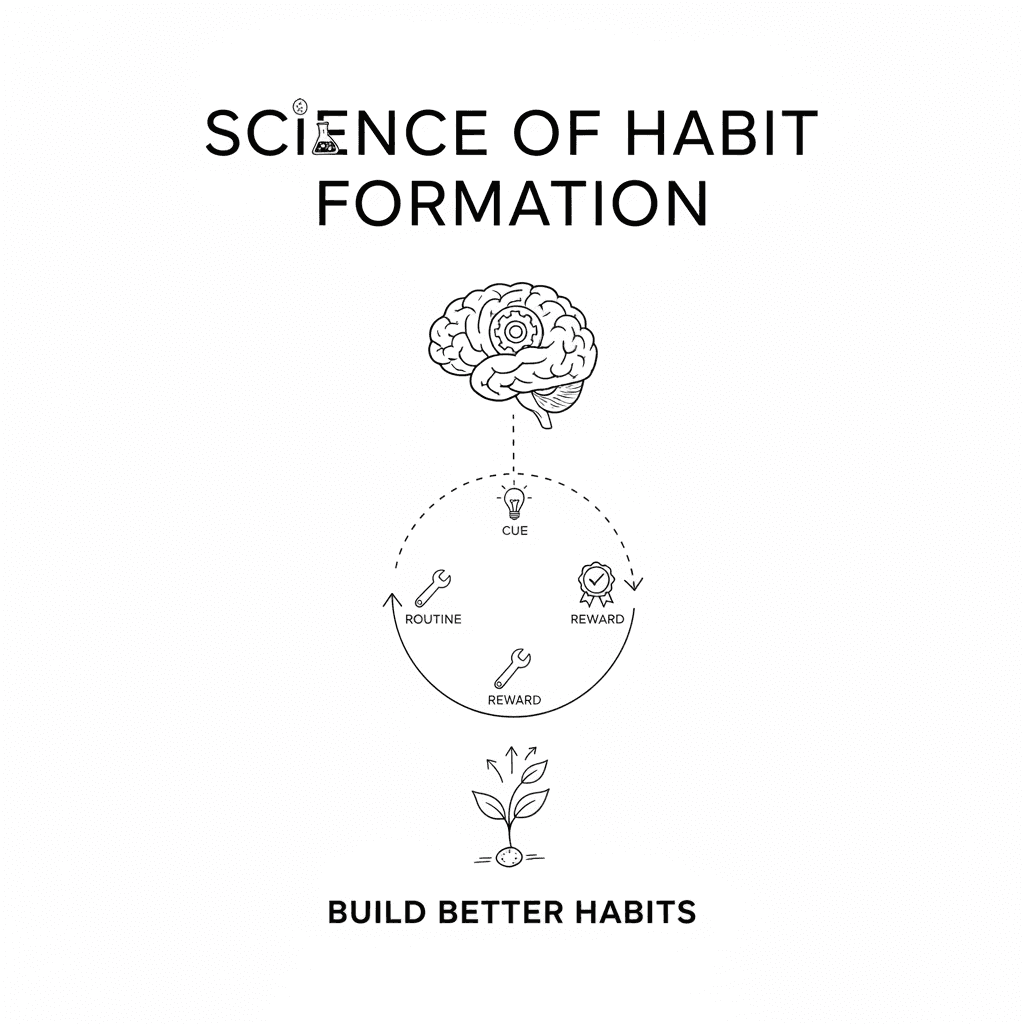
Habits, defined as routines that are performed regularly, become automatic over time and play a crucial role in shaping our personal and professional lives. They are the brain's way of saving effort by automating repetitive tasks, thus freeing up mental space for more complex problem-solving. Understanding the anatomy of habits—cue, routine, and reward—offers insights into reshaping team behaviors and fostering efficiency.
In a team context, habits can dictate productivity, communication styles, and the overall morale. Establishing positive team habits can foster an environment of trust, improve workflow, and promote a culture of continuous improvement.
Practical Strategies for Building Positive Team Habits
1. Daily Stand-ups
Effective in remote settings, daily stand-ups are short team meetings aimed to enhance communication. They help team members stay aligned, set daily priorities, and address any immediate roadblocks.
2. The Power of Pairing
Pair programming or collaborative work sessions encourage peer learning and accountability. This practice not only improves code quality but also facilitates knowledge sharing and team bonding.
3. Goal Setting and Reflection
Implementing regular goal-setting sessions followed by reflection allows teams to track progress, celebrate achievements, and recalibrate objectives as needed. This cyclical habit supports a forward-thinking and adaptable team culture.
4. Recognition and Rewards
Recognizing team members for their contributions can reinforce positive habits. Acknowledgment acts as a reward in the habit loop, motivating continued desirable behaviors.
Common Pitfalls to Avoid
Despite the benefits of positive habits, several common pitfalls must be avoided. Firstly, overloading teams with too many new habits at once can lead to overwhelm and resistance. Secondly, neglecting the 'reward' aspect in the habit loop can dilute motivation. Lastly, allowing negative habits to persist unchallenged can undermine all efforts to foster a positive team environment.
Instead, focus on incremental change and ensure that habits align with the team’s goals and culture for sustained success.
Conclusion
The science of habit formation is not solely for personal development; it is a powerful tool for team building. By understanding and cultivating positive habits, team leads, HR managers, and remote workers can create environments that boost productivity, enhance communication, and foster innovation. Start with small, consistent changes, and watch your team flourish.
Ready to Break the Ice?
Take your team meetings to the next level with our premium Icebreaker Bingo Kit. Generate unlimited, custom-branded bingo cards in seconds.
Instant access • No subscription required