Virtual Team Building Activities That Actually Work
Tired of awkward virtual team building? These 15+ activities are proven to boost engagement, build trust, and actually be fun.
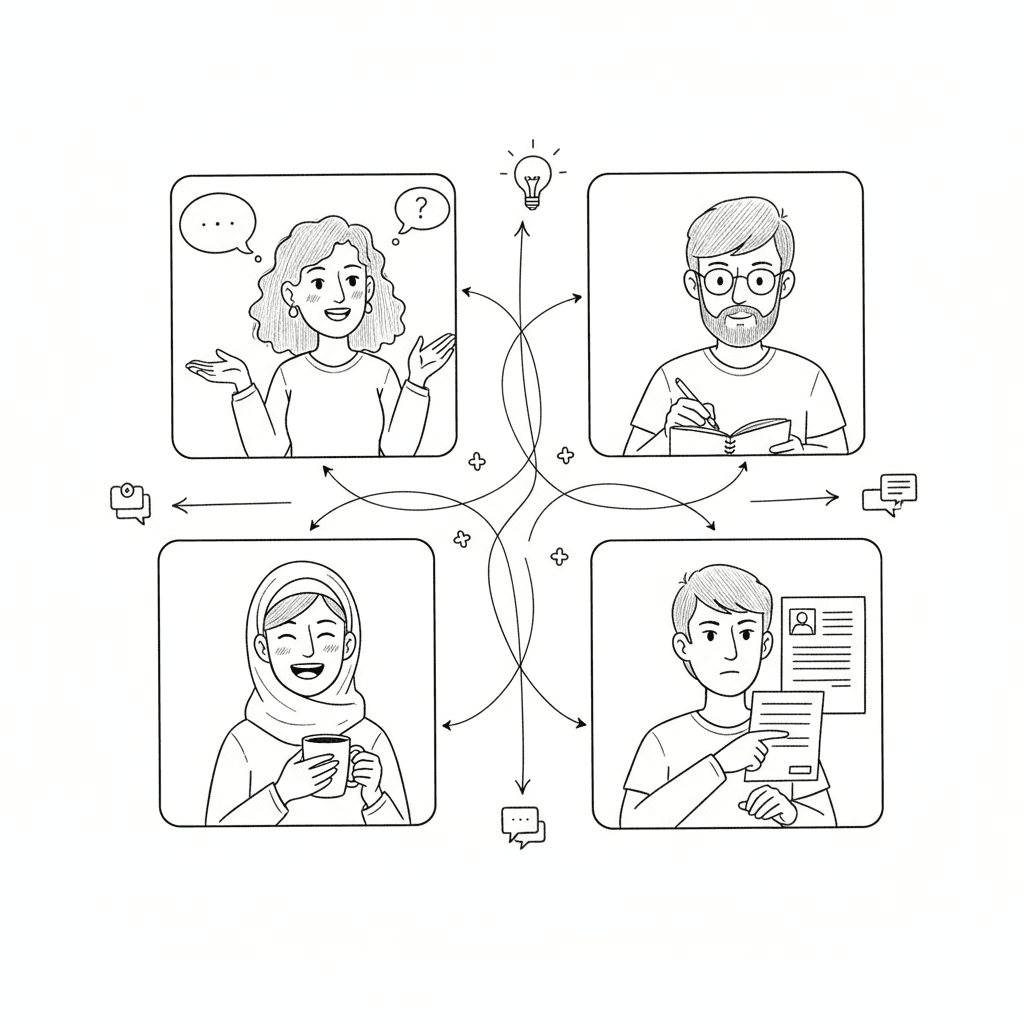
Why Most Virtual Team Building Fails
Let's be honest: most virtual team building feels forced. Someone suggests a "fun activity," everyone groans internally, cameras stay off, and participation is minimal. Twenty awkward minutes later, everyone's relieved it's over.
Sound familiar? You're not alone. According to Gallup research, only 32% of employees feel engaged at work, and poorly executed team building can actually make things worse by highlighting disconnection rather than building it.
The 3 Reasons Virtual Team Building Fails:
- It's mandatory - Forced fun isn't fun
- It's generic - One-size-fits-all activities don't work
- It's performative - People feel like they're being watched, not connecting
The good news? When done right, virtual team building can be just as effective as in-person activities—sometimes even better, because it removes physical barriers and creates equal participation opportunities.
The 3 Principles of Effective Virtual Activities
Before we dive into specific activities, let's establish what makes virtual team building actually work:
1. Make Participation Optional
The paradox of team building: the more you force it, the less it works. Give people genuine choice about participation level.
Example: "We're doing a quick icebreaker. Feel free to share or just listen—both are totally fine."
2. Match Activity to Energy Level
Monday morning at 9am? Keep it light. Friday afternoon? Maybe skip it entirely. Read the room and adjust accordingly.
Tip: High-energy activities work best mid-week, mid-morning. Reflective activities work better at week's end.
3. Create Psychological Safety
People won't open up if they feel judged. Leaders should participate first, show vulnerability, and normalize "passing."
Research: Google's Project Aristotle found psychological safety is the #1 predictor of team success.
Quick Activities (5-10 minutes)
Perfect for starting meetings or when time is tight. These activities build connection without eating into your agenda.
1. Rose, Thorn, Bud
Each person shares three things: a rose (highlight), a thorn (challenge), and a bud (something they're looking forward to).
Why It Works:
- Balances positive and negative
- Creates empathy
- Quick to execute
Best For:
- Weekly team check-ins
- Project retrospectives
- Teams of 5-10 people
2. Two-Minute Coffee Break
Break into random pairs for 2 minutes of casual conversation. No agenda, just chat.
Pro Tip: Use Zoom breakout rooms with auto-assign. Set a 2-minute timer. When time's up, everyone returns.
Research: Brief social interactions boost mood and productivity more than extended isolation (Journal of Experimental Psychology).
3. Show and Tell
"Show us something within arm's reach that makes you happy." People grab an object and share a quick story.
Variations:
- Something that represents your weekend
- Your favorite mug and why
- A book that changed your perspective
Why It Works:
- Low pressure
- Reveals personality
- Sparks conversation
4. Emoji Check-In
"Drop an emoji in the chat that represents how you're feeling right now." Then a few people explain their choice.
Perfect for: Large groups where not everyone can speak. Creates visual engagement and lowers the barrier to participation.
5. Virtual Background Story
Everyone changes their Zoom background to a place they love. Take turns sharing why you chose it.
Bonus: This works great for remote teams who can't travel together. You "visit" each other's favorite places virtually.
Medium Activities (15-30 minutes)
When you have a bit more time, these activities create deeper connections and more meaningful interactions.
6. Virtual Scavenger Hunt
Call out items for people to find in their homes. First person back with the item gets a point. Most points wins.
Sample Items:
- Something that makes you laugh
- Your oldest piece of clothing
- A childhood photo
- Something purple
- Your weirdest kitchen gadget
Energy Level: High. Best for teams that are already comfortable with each other.
7. Collaborative Playlist
Create a shared Spotify playlist. Everyone adds 1-2 songs that represent their current mood or a meaningful memory.
How To Run It:
- Create shared playlist
- Everyone adds songs
- Reconvene to share stories
- Play during future meetings
Why It Works:
Music is deeply personal. Sharing songs creates vulnerability and reveals personality in a low-pressure way.
8. Virtual Escape Room
Use platforms like Enchambered or The Escape Game to solve puzzles together as a team.
Best For: Teams of 4-8 people. Requires problem-solving, communication, and collaboration under time pressure.
Cost: $10-30 per person. Worth it for quarterly team events or celebrating milestones.
9. Skills Swap
Team members teach each other a 10-minute skill: origami, a language phrase, a keyboard shortcut, anything.
Why This Is Powerful: People love sharing their expertise. It builds confidence, reveals hidden talents, and creates mutual appreciation.
10. Two Truths and a Dream
A twist on "Two Truths and a Lie." Share two true things about yourself and one thing you dream of doing. Others guess the dream.
Why the twist matters: Talking about dreams is more positive and forward-looking than talking about lies. It creates hope rather than deception.
Deep Connection Activities (30-60 minutes)
For teams ready to go deeper. These activities build trust, vulnerability, and lasting bonds.
11. Life Map
Each person creates a visual timeline of their life's key moments and shares it with the team.
How To Run It:
- Give everyone 15 minutes to create their map (paper, digital, whatever)
- Include 5-7 key moments: highs, lows, turning points
- Each person shares for 5-7 minutes
- Others ask questions and share connections
Warning: This is vulnerable. Only do this with teams that have established psychological safety.
12. Failure Bow
Borrowed from improv: share a recent failure, then everyone applauds and you take a bow. Normalizes failure and builds resilience.
Research: Teams that openly discuss failures learn faster and innovate more (Harvard Business Review).
13. Appreciation Circle
Go around the circle. Each person shares one specific thing they appreciate about the person to their right.
Rules:
- Be specific (not "you're great")
- Focus on actions, not traits
- Keep it genuine
Impact:
Positive feedback strengthens relationships and boosts team morale more than any other single activity.
14. Values Alignment Workshop
Each person identifies their top 3 personal values. Then the team discusses how to honor those values in daily work.
Why This Matters: When people's values align with their work, engagement skyrockets. This activity makes values explicit and actionable.
15. Future Vision Board
Create a collaborative vision board for where the team wants to be in 1 year. Use Miro, Mural, or Google Slides.
Process: Everyone adds images, words, and ideas representing their hopes for the team. Then discuss themes and create shared goals.
How to Choose the Right Activity
Not every activity works for every team. Here's how to choose wisely:
The Activity Selection Matrix
| If Your Team Is... | Try This | Avoid This |
|---|---|---|
| New / Just Formed | Quick, low-risk activities (Emoji Check-In, Show and Tell) | Deep vulnerability exercises |
| Established / Comfortable | Medium to deep activities (Life Map, Appreciation Circle) | Overly simple icebreakers |
| Stressed / Overwhelmed | Calming activities (Rose/Thorn/Bud, Appreciation) | High-energy competitive games |
| Low Energy / Burned Out | Fun, energizing activities (Scavenger Hunt, Skills Swap) | Heavy emotional processing |
| Distributed Across Time Zones | Async activities (Collaborative Playlist, Vision Board) | Real-time competitive games |
Quick Decision Framework:
- Check the calendar: How much time do you actually have?
- Read the room: What's the energy level right now?
- Know your team: What's their comfort level with vulnerability?
- Match the moment: Is this a celebration, a check-in, or a reset?
Final Thoughts
Virtual team building doesn't have to be awkward. When you match the right activity to your team's needs, energy level, and comfort zone, it can be genuinely enjoyable and relationship-building.
The key is to start small, make participation optional, and gradually build trust. Don't force deep vulnerability on day one. Let connection develop naturally through consistent, low-pressure interactions.
Remember: the goal isn't to check a box or fill time. It's to help your team feel seen, heard, and connected—even through a screen.
Want more ways to connect your team?
Check out our 200+ Icebreaker Questions for conversation starters that actually work.
Ready to Break the Ice?
Take your team meetings to the next level with our premium Icebreaker Bingo Kit. Generate unlimited, custom-branded bingo cards in seconds.
Instant access • No subscription required