Why You Need to Break the Ice with Yourself: The Science of Self-Compassion
You'd never talk to a friend the way you talk to yourself. Here's why that needs to change—and the psychology-backed methods to make it happen.
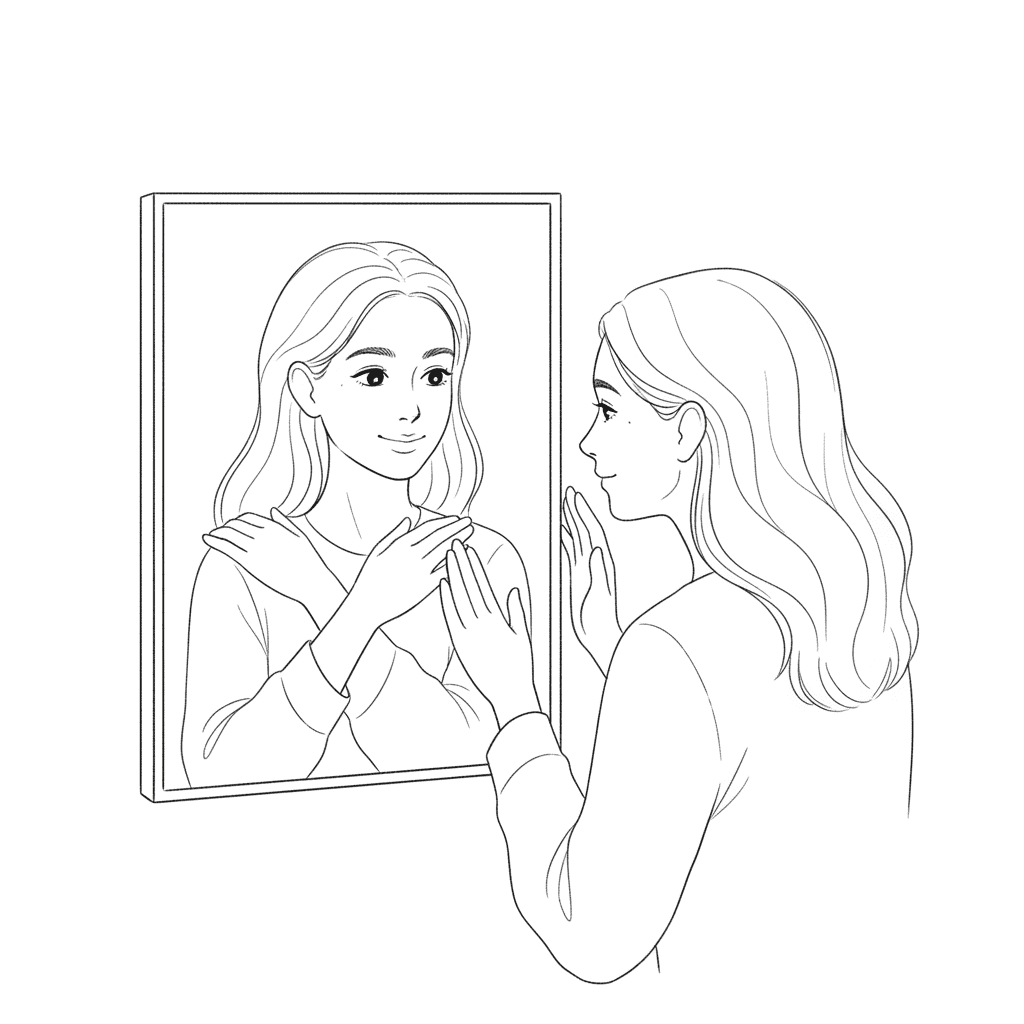
The Problem: Your Harshest Critic Lives in Your Head
Imagine your best friend comes to you after making a mistake at work. They're beating themselves up, calling themselves stupid, saying they'll never get it right. What would you tell them?
Probably something kind. Something like, "Everyone makes mistakes. You're learning. You'll do better next time."
Now imagine you make the same mistake. What does your inner voice say?
If you're like most people, it's nowhere near as kind. In fact, it's probably brutal. "You're such an idiot. Why can't you get anything right? Everyone else can do this—what's wrong with you?"
The Irony: We extend compassion to strangers, friends, even people we don't particularly like. But when it comes to ourselves? We're merciless.
This is what I call the "self-ice"—the frozen barrier of self-criticism, perfectionism, and harsh judgment that keeps us stuck. And just like icebreakers help teams connect, we need to break through this ice to connect with ourselves.
Why We Need Self-Icebreaking
Self-criticism isn't just unpleasant—it's actively harmful. Research shows that harsh self-judgment is linked to:
Mental Health
Higher rates of depression, anxiety, and stress. Self-criticism creates a vicious cycle that perpetuates negative emotions.
Performance
Ironically, being hard on yourself doesn't improve performance—it undermines it by increasing fear of failure.
Relationships
When you're harsh with yourself, you're more likely to be defensive and less emotionally available to others.
Motivation
Self-criticism drains motivation. Why try if you're just going to beat yourself up anyway?
The good news? There's a growing body of psychological research showing that self-compassion—treating yourself with the same kindness you'd offer a friend—leads to better outcomes across the board.
Let's look at four evidence-based methods to break through the self-ice.
Method 1: Self-Compassion (The Kristin Neff Approach)
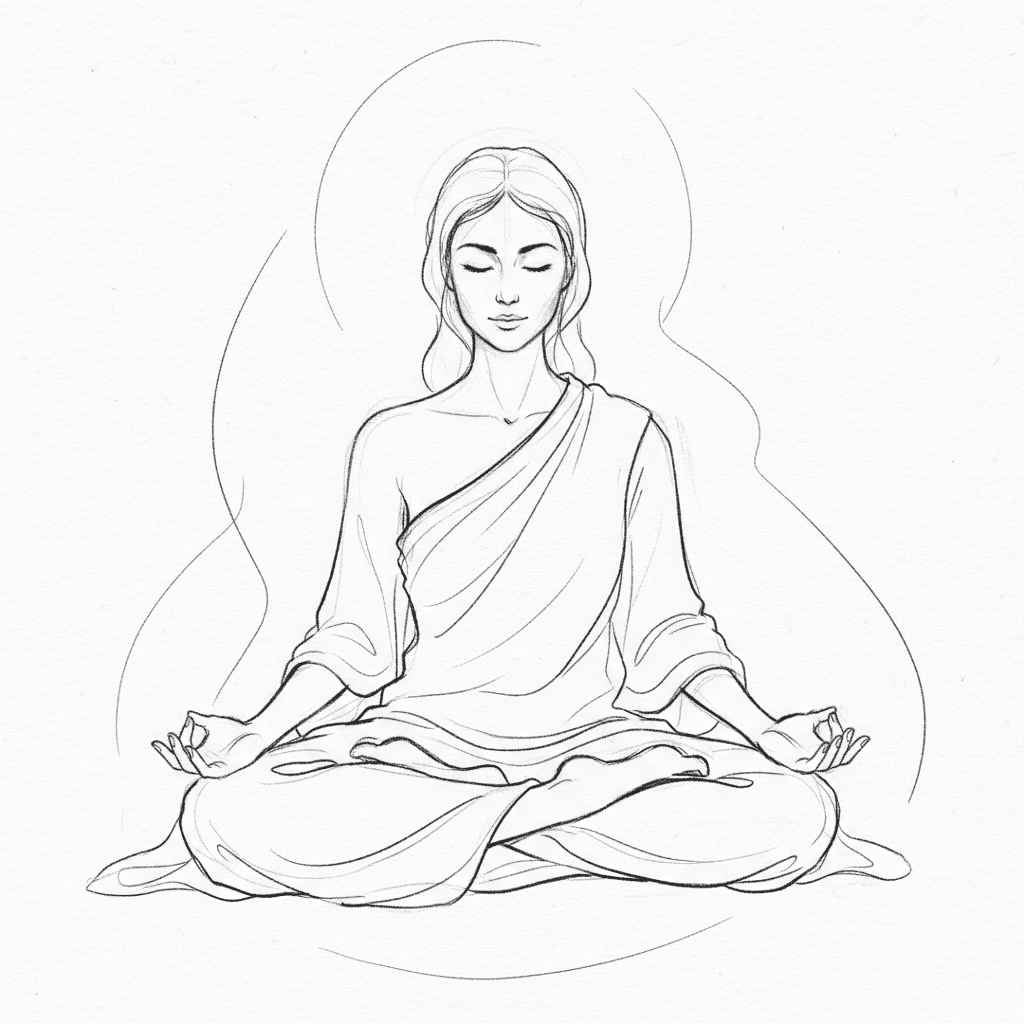
Dr. Kristin Neff, a pioneering researcher at the University of Texas, has spent decades studying self-compassion. Her research consistently shows that self-compassion is associated with lower anxiety and depression, greater life satisfaction, and increased resilience.
Neff's model breaks self-compassion into three components:
1. Self-Kindness vs. Self-Judgment
Instead of harshly criticizing yourself for failures or shortcomings, treat yourself with warmth and understanding.
Example: Instead of "I'm such an idiot for missing that deadline," try "I'm disappointed I missed the deadline. I was overwhelmed this week, and I'm learning to manage my time better."
2. Common Humanity vs. Isolation
Recognize that suffering and failure are part of the shared human experience, not evidence that you're uniquely flawed.
Example: "Everyone struggles with this sometimes. I'm not alone in finding this difficult."
3. Mindfulness vs. Over-Identification
Observe your negative thoughts and feelings with balance—neither suppressing them nor getting swept away by them.
Example: "I'm noticing I'm feeling anxious about this presentation" rather than "I'm a nervous wreck who can't handle pressure."
Try This: The Self-Compassion Break
When you notice you're being hard on yourself, pause and say:
- "This is a moment of suffering." (Mindfulness)
- "Suffering is part of life. I'm not alone in this." (Common humanity)
- "May I be kind to myself in this moment." (Self-kindness)
The Research: Studies show that people who practice self-compassion have lower levels of anxiety and depression, better emotional resilience, and—contrary to what you might think—higher personal standards and greater motivation to improve.
Method 2: Behavioral Activation
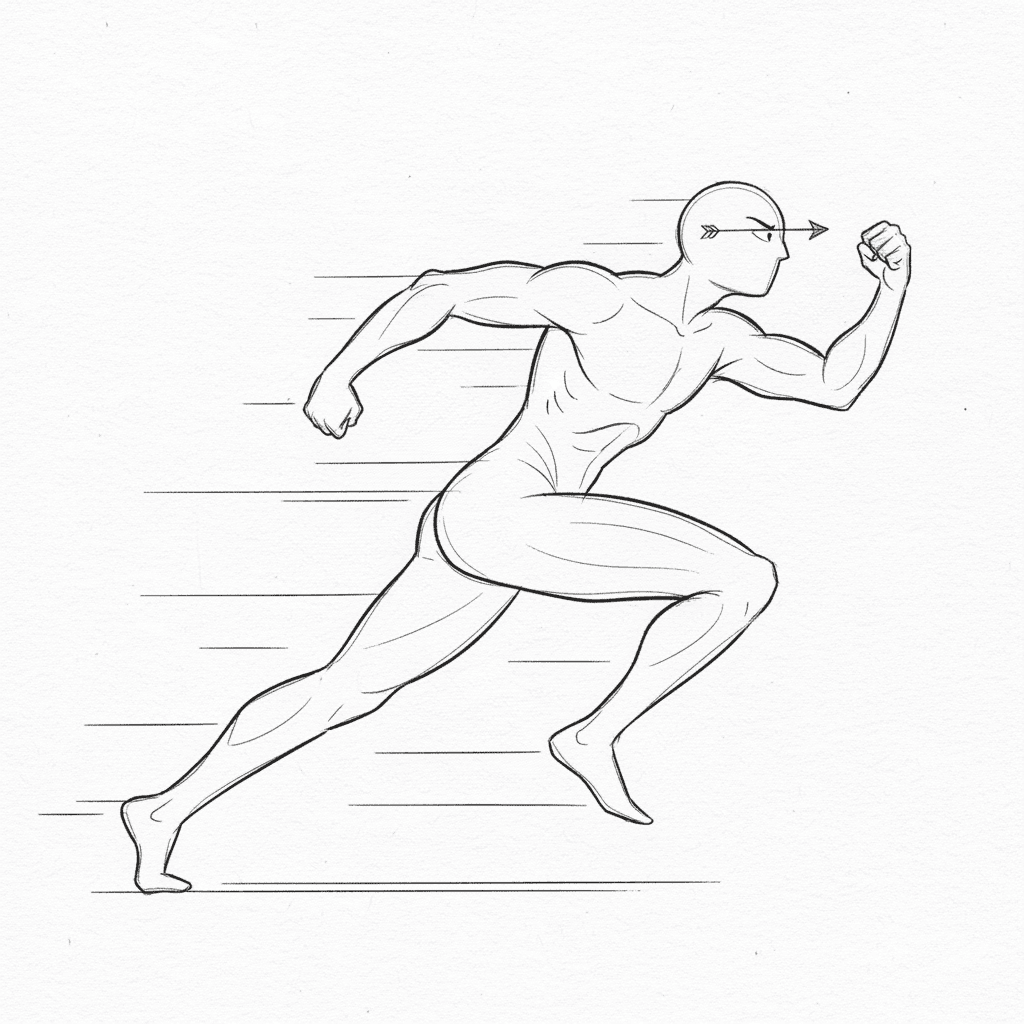
Here's a truth that sounds backwards: you don't need to feel motivated to take action. In fact, it's the other way around—action creates motivation.
This is the core insight of behavioral activation, a therapeutic approach that's been proven as effective as cognitive behavioral therapy (CBT) for treating depression. The idea is simple: when we're stuck, we tend to avoid and withdraw. This creates a vicious cycle—less activity leads to worse mood, which leads to even less activity.
The Cycle of Avoidance
1. You feel bad → 2. You avoid activities → 3. You feel worse → 4. You avoid more → 5. Repeat
The Cycle of Activation
1. You take one small action → 2. You feel slightly better → 3. You take another action → 4. You feel even better → 5. Momentum builds
The key is to start small. Don't wait until you "feel like it." Just do one tiny thing.
Try This: The One-Action Rule
Every morning, identify one small action you can take today. Not ten things. Not a complete overhaul. One thing.
Examples:
- Send one email you've been avoiding
- Take a 10-minute walk
- Tidy one surface in your home
- Call one friend
- Work on a project for 15 minutes
The Research: Multiple randomized controlled trials have shown that behavioral activation is as effective as antidepressant medication for treating depression, with lower relapse rates and no side effects.
Method 3: Third-Person Self-Talk
This one sounds weird, but it works: talk to yourself like you're talking to someone else.
Research from the University of Michigan shows that using your own name or "you" instead of "I" when talking to yourself helps you gain psychological distance from your emotions. This simple shift makes it easier to regulate your feelings and think more clearly.
❌ First-Person (Less Effective)
"I'm so nervous about this presentation. I always mess these up. What if I freeze?"
✅ Third-Person (More Effective)
"[Your name], you've done presentations before. You know your material. You can handle this."
Why does this work? When you use "I," you're immersed in your emotions. When you use "you" or your name, you automatically create a bit of distance—like you're advising a friend. And we're much better at giving advice to friends than to ourselves.
Try This: The Name Technique
Next time you're stressed or self-critical, pause and reframe your thoughts using your own name:
- "[Name], what would you tell a friend in this situation?"
- "[Name], you've handled harder things than this."
- "[Name], it's okay to make mistakes. You're learning."
The Research: Studies show that third-person self-talk reduces rumination, helps people perform better under stress, and makes it easier to process difficult emotions without getting overwhelmed.
Method 4: The 5-Minute Rule
The hardest part of any task isn't doing it—it's starting it. This is where the 5-Minute Rule comes in.
The rule is simple: commit to doing something for just five minutes. That's it. After five minutes, you can stop if you want.
What usually happens? You keep going. Because starting is the hard part. Once you're in motion, momentum takes over.
Why It Works
Reduces Activation Energy
"Five minutes" feels manageable. "Finishing this entire project" feels overwhelming.
Builds Momentum
Once you start, it's easier to continue than to stop and restart later.
Removes Pressure
You're not committing to perfection or completion—just five minutes of effort.
Try This: The 5-Minute Challenge
Pick something you've been avoiding. Set a timer for five minutes. Do it. When the timer goes off, you can stop guilt-free.
Examples: Clean for 5 minutes. Write for 5 minutes. Exercise for 5 minutes. Work on that project for 5 minutes.
The beauty of this method is that it removes the all-or-nothing thinking that keeps us stuck. You don't need to do it perfectly. You don't even need to finish. You just need to start.
Putting It All Together
These methods aren't meant to be used in isolation. They work best when combined into a daily practice. Here's a simple framework:
Morning: Self-Compassion Check-In
Start your day by acknowledging how you're feeling without judgment. Use the self-compassion break if you're struggling.
"I'm feeling anxious about today. That's okay. Lots of people feel this way. May I be kind to myself."
Midday: One Small Action
Use behavioral activation. Pick one thing you've been avoiding and do it for just five minutes.
Not "I need to finish this entire project." Just "I'll work on this for five minutes."
Evening: Third-Person Reflection
When reviewing your day, use your name. This creates distance from self-criticism.
"[Name], you did your best today. You're making progress, even if it doesn't always feel like it."
Remember:
- Progress over perfection
- Small consistent actions beat grand gestures
- You deserve the same kindness you give others
- Action creates motivation, not the other way around
Final Thoughts
Breaking the ice with yourself isn't about becoming soft or lowering your standards. It's about treating yourself like someone worth caring for. Because you are.
The research is clear: self-compassion doesn't make you lazy or complacent. It makes you more resilient, more motivated, and better able to learn from mistakes. It gives you the psychological safety to take risks, try new things, and bounce back from failure.
So the next time that harsh inner voice starts up, remember: you wouldn't talk to a friend that way. And you deserve at least as much kindness as you'd give to a stranger.
Want to practice connection with others too?
Check out our guide on 200+ Best Icebreaker Questions to build genuine connections with your team.
Ready to Break the Ice?
Take your team meetings to the next level with our premium Icebreaker Bingo Kit. Generate unlimited, custom-branded bingo cards in seconds.
Instant access • No subscription required