Work-Life Integration: A Modern Approach for Balanced Teams
Published on October 10, 2023 | Read time: 8 minutes
Introduction
In today's ever-evolving work environment, the traditional nine-to-five job structure is becoming obsolete. Team leads, HR managers, and remote workers are increasingly seeking innovative ways to harmonize professional commitments with personal life. The need for a more fluid approach than the rigid boundaries of work-life balance has never been more pressing. This is where work-life integration steps in, offering a refreshing solution to age-old problems.
What is Work-Life Integration and Why It Matters
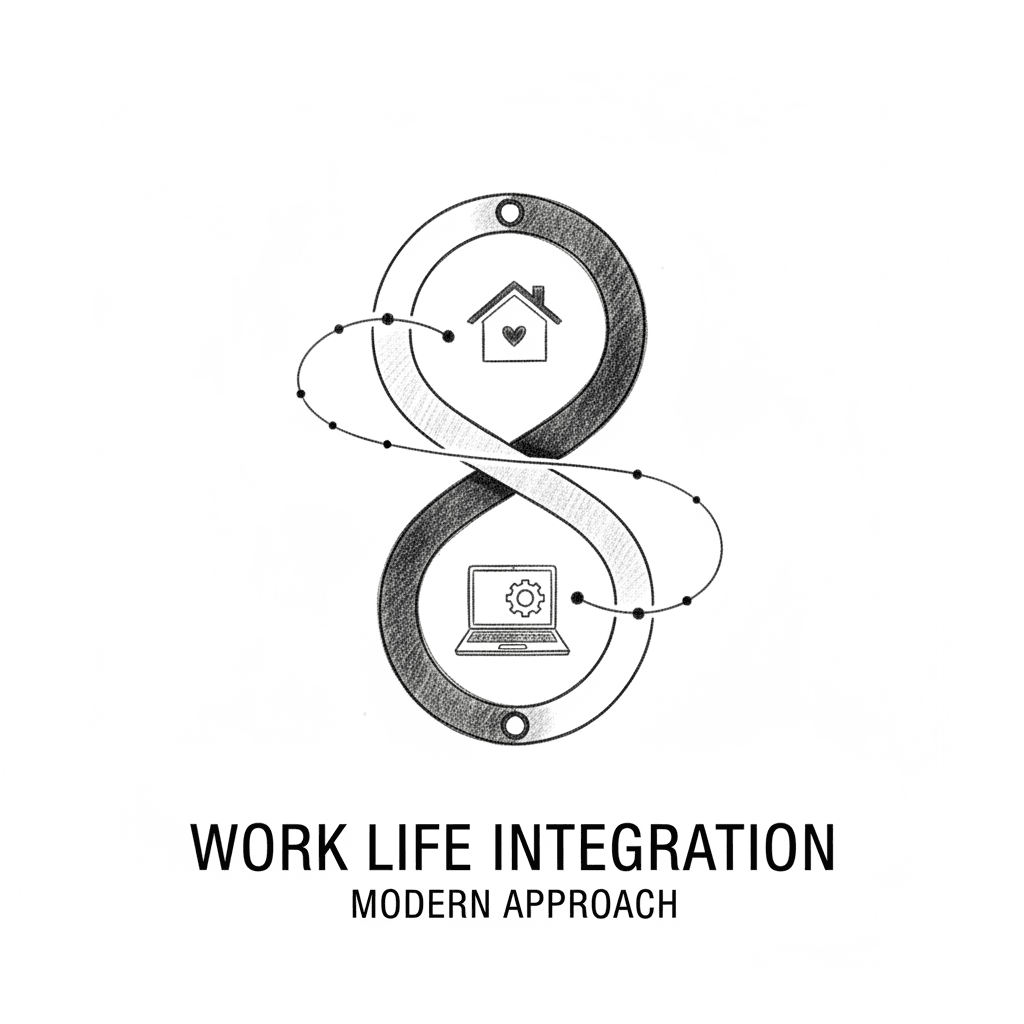
Work-life integration is a concept that blurs the lines between professional responsibilities and personal interests, encouraging a more harmonious coexistence of both spheres. Unlike traditional work-life balance that enforces separation, integration fosters synergy, enabling individuals to achieve fulfillment across all aspects of life.
For team leads and HR managers, adopting work-life integration can lead to increased employee satisfaction, productivity, and retention. It allows talented professionals working remotely to maintain flexibility without sacrificing productivity, ultimately nurturing a motivated, cohesive team.
Practical Strategies for Achieving Work-Life Integration
1. Foster Open Communication
Encourage transparent communication within teams. Create an environment where employees feel comfortable discussing their needs and boundaries. This can be achieved through regular check-ins and the promotion of an open-door policy.
2. Implement Flexible Work Hours
Allowing employees to choose their work hours can significantly boost morale and productivity. Flexibility enables individuals to work during their most productive times of the day, balancing work tasks with personal obligations seamlessly.
3. Utilize Technology Efficiently
Leverage tools that facilitate collaboration and communication, such as project management software and instant messaging apps. These can help teams stay connected without the need for constant, intrusive meetings, allowing for a more integrated workflow.
4. Encourage Short Breaks and Mindfulness
Promote the importance of taking breaks and practicing mindfulness. Short breaks can help in rejuvenating focus and reducing stress, which is essential for effective work-life integration.
5. Support Skill Development
Offer opportunities for professional development that align with personal interests. This not only empowers employees but also enhances their job satisfaction and loyalty to the organization.
Common Pitfalls to Avoid
Overemphasizing Availability
Avoid the trap of expecting employees to be constantly available. Respect off-hours and personal time, recognizing that uninterrupted downtime is crucial for overall well-being.
Neglecting Personalization
One-size-fits-all approaches rarely work. Recognize that each employee has unique challenges and preferences. Tailor integration strategies to fit individual needs rather than enforcing uniform rules.
Inadequate Technological Support
Ensure that the digital tools and infrastructure available to your team are up-to-date and capable of supporting seamless integration. Outdated systems may hinder productivity and frustrate employees.
Conclusion
Embracing work-life integration is not just a trend but a necessity for fostering a healthy, productive work environment in today's dynamic landscape. By understanding the concept and implementing practical strategies, team leads, HR managers, and remote workers can build resilient teams poised for success.
Remember, the key to effective work-life integration lies in flexibility, open communication, and acknowledging the diverse needs of your workforce. By avoiding common pitfalls and promoting a culture of inclusivity and support, organizations can thrive while nurturing their most valuable asset: their people.